


Boiler Pressure Troubleshooting: Steps to Fixing Low Boiler Pressure
Low boiler pressure is a common issue that can affect your heating system’s performance. When the pressure drops, your boiler may stop working properly or even shut down. This can leave your home cold and uncomfortable. Fortunately, fixing low boiler pressure is often straightforward. I will guide you through the key steps to get your boiler back to normal.
Understanding Boiler Pressure Troubleshooting
Boiler pressure is the force of water inside your heating system. It is measured in bars, and most boilers work best between 1 and 1.5 bars when cold. If the pressure falls below 1 bar, the boiler may not heat your home efficiently.
Pressure can drop for several reasons:
Leaks in the system
Bleeding radiators
Faulty pressure relief valve
Expansion vessel issues
Knowing how to check and adjust boiler pressure is essential. You can usually find the pressure gauge on the front of your boiler. It looks like a small dial with numbers from 0 to 4 bars.

How to Check and Re-Pressurise Your Boiler
If your boiler pressure is low, the first step is to re-pressurise it. This means adding water to the system to bring the pressure back to the recommended level. Here’s how to do it safely:
Turn off the boiler and let it cool down.
Locate the filling loop - a flexible silver or braided hose usually found under the boiler.
Open the valves on the filling loop slowly. You should hear water entering the system.
Watch the pressure gauge carefully. When it reaches 1.5 bars, close the valves.
Turn the boiler back on and check if it operates normally.
Be careful not to over-pressurise the system. Too much pressure can cause damage.
If you are unsure about any step, it is best to call a professional. Incorrect handling can lead to leaks or other issues.
Can I Still Use My Boiler if the Pressure Is Low?
Using a boiler with low pressure is not recommended. When pressure is too low, the boiler may:
Fail to heat water properly
Shut down automatically to prevent damage
Cause uneven heating in your home
Running the boiler under these conditions can lead to more serious problems. It may also increase your energy bills because the system works harder to heat your home.
If you notice low pressure, it is best to address it quickly. You can try re-pressurising the boiler yourself, but if the problem persists, seek expert help.
Common Causes of Low Boiler Pressure and How to Fix Them
Low boiler pressure often points to an underlying issue. Here are some common causes and what you can do:
Leaks in the system: Check visible pipes, radiators, and valves for water leaks. Even small drips can lower pressure. Fix leaks promptly or call a plumber.
Bleeding radiators: When you bleed radiators to remove trapped air, pressure can drop. After bleeding, always check and top up the pressure.
Faulty pressure relief valve: This valve releases excess pressure. If it is stuck open, water escapes, lowering pressure. A professional should inspect and replace it if needed.
Expansion vessel problems: The expansion vessel absorbs pressure changes. If it loses air charge or fails, pressure can drop. This requires specialist repair.
Regular maintenance helps prevent these issues. Have your boiler serviced annually to keep it in good condition.

When to Call a Professional for Boiler Pressure Issues
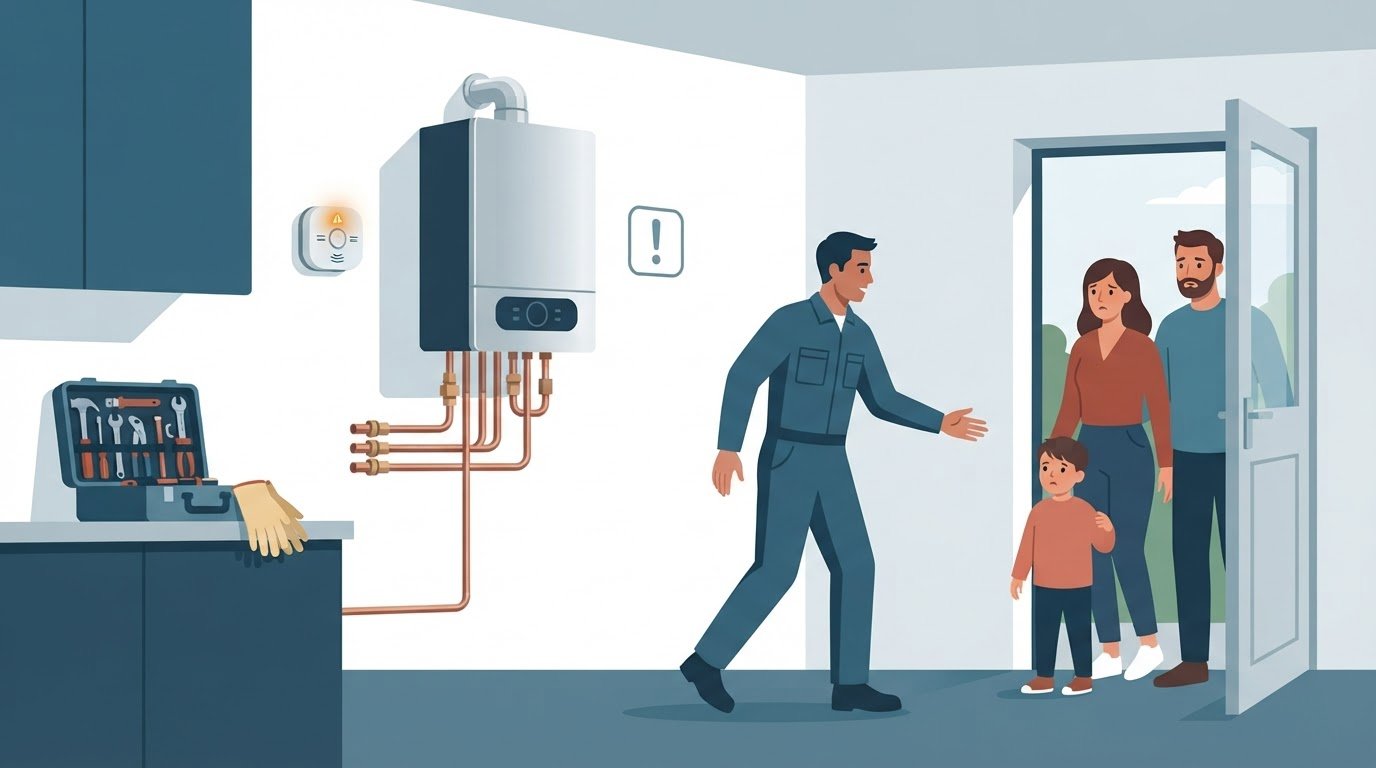
Some boiler pressure problems are simple to fix. Others need expert attention. You should call a professional if:
You cannot find or fix the leak
The pressure drops again soon after re-pressurising
The pressure relief valve is leaking
You suspect a problem with the expansion vessel
The boiler shows error codes related to pressure
A qualified heating engineer can diagnose and repair complex faults safely. They also ensure your boiler runs efficiently and complies with safety standards.
If you live in London or Kent, quick and reliable service is available. Getting help early can save you money and avoid heating breakdowns.
Keeping Your Boiler Pressure Stable Over Time
Maintaining stable boiler pressure is key to a warm and safe home. Here are some tips to keep your system in good shape:
Check the pressure gauge regularly, especially before winter.
Top up the pressure after bleeding radiators.
Schedule annual boiler servicing.
Watch for signs of leaks or unusual noises.
Avoid tampering with boiler parts you don’t understand.
If you want to learn more about how to fix low boiler pressure, reliable guides and professional support are available online.
Taking these steps helps prevent sudden heating failures and keeps your home comfortable all year.
By following these clear steps, you can manage low boiler pressure effectively. Whether topping up the system or calling a professional, acting quickly protects your heating system and your home.


Comments