


Can Landlords Enter for Repairs? UK Rules

A tenant reports water coming through a kitchen ceiling at 9pm. The flat below is at risk, the stopcock cannot be found and the tenant is away for the weekend. In that situation, can landlords enter for repairs without waiting for the usual notice period? Potentially, yes. But for routine work, entering a rented home is not simply a matter of having a spare key.
Landlords have clear responsibilities to keep a property safe and in repair, while tenants have a right to live there without unnecessary intrusion. Getting the balance right protects the property, supports a good tenancy and helps urgent plumbing, heating and gas issues get resolved before they become more expensive.
Can landlords enter for repairs with notice?
For most private rented homes in England and Wales, a landlord normally needs to give at least 24 hours' notice in writing before entering to inspect the condition of the property or carry out repairs. Visits should also take place at a reasonable time of day. This right of access is commonly connected to the landlord's repair duties, including the obligation to keep installations for water, gas, electricity, sanitation, heating and hot water in working order.
The tenancy agreement may set out practical arrangements for access, such as how notice will be sent and who a tenant should contact when they report a fault. It cannot simply remove a tenant's right to quiet enjoyment of their home. That means a landlord, managing agent or contractor should not let themselves in for a non-urgent repair just because notice has been sent.
In practice, agreement is always best. Offer a clear appointment window, explain what work is needed, say who will attend and give the tenant a contact number if the proposed time does not work. A tenant is far more likely to provide access when they know whether an engineer is attending to repair a leaking pipe, restore heating or carry out an annual gas safety check.
When can a landlord enter without permission?
A genuine emergency can change the position. The purpose must be to prevent injury, serious damage or an immediate safety risk, rather than to deal with a repair that is merely inconvenient.
Examples may include:
an active leak or burst pipe causing flooding or water damage
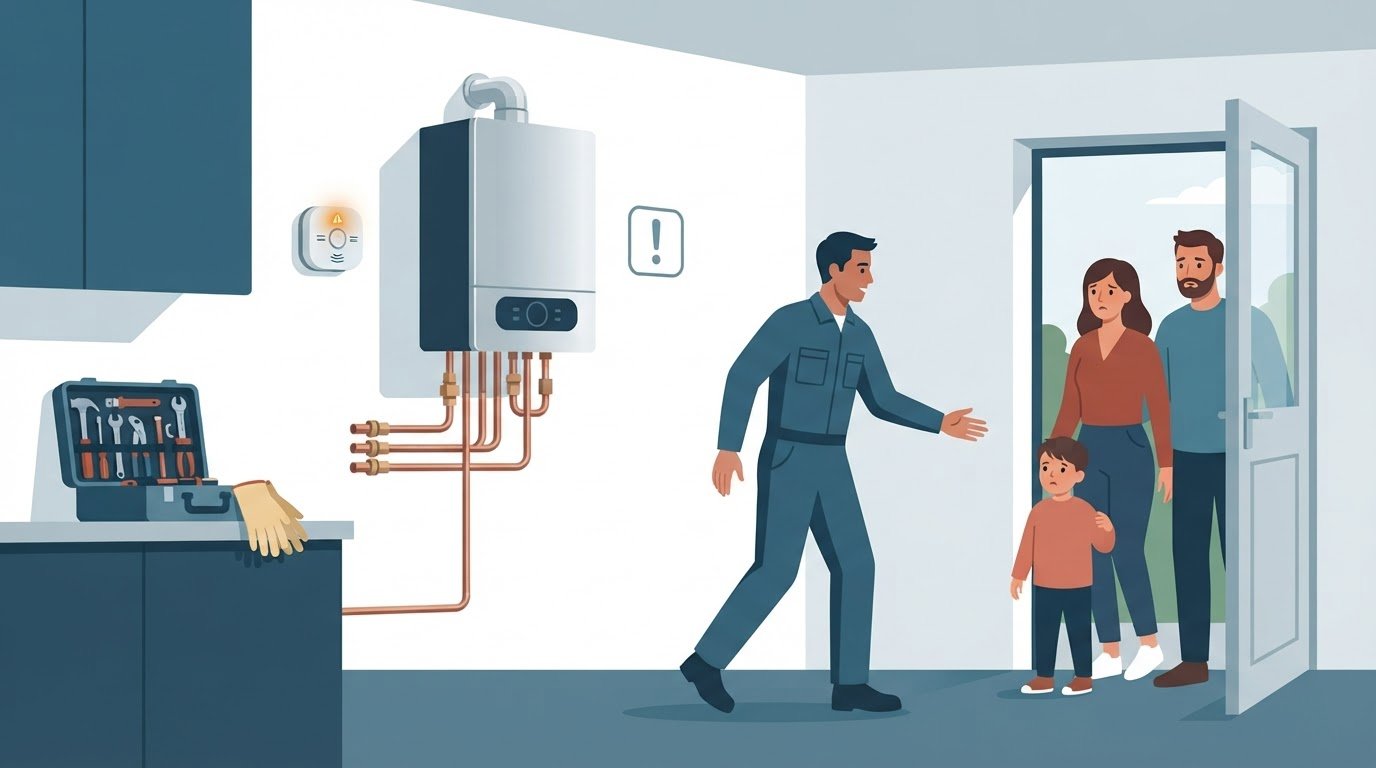
a suspected gas leak, carbon monoxide concern or serious gas safety risk
a fire, electrical danger or structural issue requiring immediate action
a heating failure during very cold weather where a vulnerable occupant may be at risk
Even in an emergency, entry should be limited to what is reasonably necessary. Try to contact the tenant first by phone, text and email, then keep a record of the issue, attempted contact and the reason access was required. If a contractor attends, they should be able to identify themselves and explain why they are there.
Not every out-of-hours call-out is an emergency that justifies access without consent. A dripping tap, a slow-draining basin or one cold radiator may need prompt attention, but it will not usually warrant forcing entry. The facts matter. An uncontrolled leak from a failed pipe is very different from a tap that can be isolated until morning.
Repairs, access and a tenant's right to quiet enjoyment
Quiet enjoyment does not mean a tenant can prevent necessary repairs indefinitely. It means they are entitled to use their home without unreasonable interference. Repeated unannounced visits, using keys for routine checks or entering when a tenant has said they are unavailable can damage trust and may create legal difficulty.
At the same time, tenants should report faults promptly and allow reasonable access for essential repairs. Delayed access can turn a minor issue into major damage. A small leak beneath a bath, for example, can affect ceilings, electrics and neighbouring homes before it becomes visible in the occupied room.
If a tenant refuses access repeatedly for necessary work, do not force entry for a non-emergency job. Keep written records of repair reports, notice given, appointment dates, messages and missed visits. Try offering alternatives, including an evening or weekend appointment where practical. If access remains impossible, a landlord may need formal legal advice or a court order, particularly where there is a safety concern or a repair duty cannot otherwise be met.
Gas safety checks need careful handling
Landlords are responsible for arranging an annual gas safety check where gas appliances or flues are provided. This work must be completed by a Gas Safe registered engineer. Tenants should be given proper notice and a reasonable opportunity to make access available.
If a tenant does not respond or misses the appointment, keep evidence of the efforts made. Send follow-up messages, offer further dates and document every attempt to arrange access. Landlords are expected to take reasonable steps to meet their gas safety responsibilities, but an engineer should not enter without permission unless there is an immediate emergency that makes entry necessary.
For tenants, allowing a qualified engineer to inspect a boiler, gas fire or flue is a safety measure, not a routine sales visit. A valid gas safety record and a well-maintained boiler can prevent breakdowns, reduce the risk of carbon monoxide exposure and provide reassurance during the colder months.
A sensible process for arranging repair access
Clear communication avoids most disputes. When a repair is reported, acknowledge it quickly and establish whether it is urgent. Ask useful questions: Is water still flowing? Can the supply be isolated? Is there heating and hot water? Is anyone vulnerable in the property? Photos or a short video can help an engineer understand the likely issue before arrival.
For a planned visit, send written notice with the date, estimated arrival window, nature of the work and the name of the contractor where known. It is sensible to confirm the appointment the day before, particularly for work requiring more than one visit, such as locating a concealed leak, replacing a boiler part or repairing damaged pipework.
On the day, engineers should knock, identify themselves and treat the tenant's home with care. Covers for footwear, protection for work areas and an explanation of any water or heating shutdown make a real difference. Once work is complete, the tenant and landlord or agent should receive a clear update on what was found, what was repaired and whether further work is needed.
What landlords should avoid
Having a key is not blanket permission to enter. Avoid turning up without notice for routine repairs, inspections or viewings. Do not use access as a way to check housekeeping, challenge a tenant about unrelated matters or pressure them into agreeing to a visit.
It is also worth avoiding vague messages such as “someone will call tomorrow”. A tenant needs enough information to feel safe opening the door. Give a time window, the company name and a contact route. For managing agents and landlords with several properties, a consistent repair reporting and appointment process is often the simplest way to reduce missed visits and complaints.
Local repair support when access is agreed
For landlords and letting agents, speed matters once access is arranged. A leaking toilet, failed boiler or loss of hot water can quickly become a tenant welfare issue as well as a property maintenance issue. Using qualified, fully insured engineers helps ensure the repair is diagnosed properly and any gas work is completed by the right professional.
PlumbTech365 supports landlords, agents and residents across Dartford, North Kent and South East London with responsive plumbing, heating and gas repairs, planned servicing and landlord safety work. Clear attendance updates and practical explanations help everyone understand what is happening, particularly when a tenant is worried about a fault in their home.
The most effective approach is simple: give proper notice for planned work, act proportionately in a real emergency and keep the tenant informed at every stage. That protects the property without losing sight of the fact that it is somebody's home.


Comments