


How Often to Service a Boiler: The Complete 2026 Homeowner’s Safety Guide

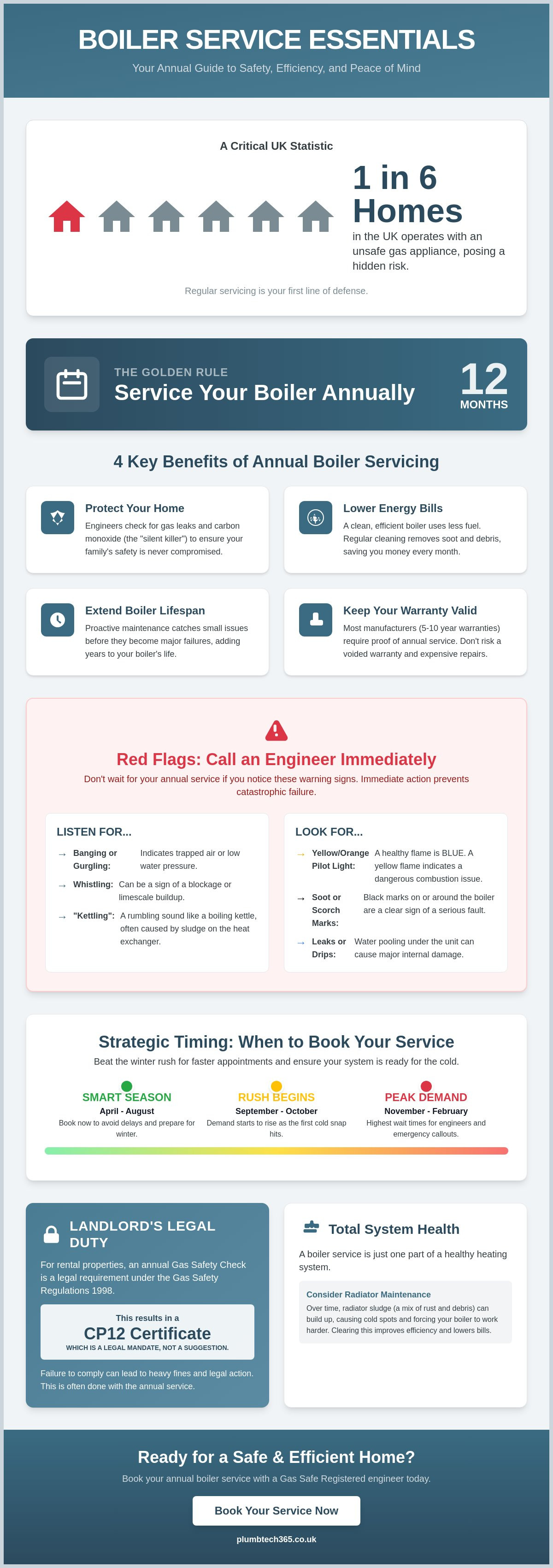
Did you know that one in six homes across the UK currently contains an unsafe gas appliance? According to the Gas Safe Register, that accounts for 4.28 million households operating at risk. You likely wonder how often to service a boiler to avoid becoming part of that statistic while keeping your energy bills under control. It's a common anxiety for homeowners who fear the sudden silence of a broken heater or the hidden danger of carbon monoxide leaks during a cold snap.
We understand that managing home maintenance feels like a constant battle against rising costs. You want a home that stays warm without the threat of expensive emergency repairs. This 2026 guide provides the definitive answer on service frequency to ensure your system remains efficient and your manufacturer's warranty stays fully protected. We'll cover the essential safety checks every central heating engineer performs, the latest compliance standards for landlords, and the simple warning signs that mean you need a professional at your door immediately.
Key Takeaways
Learn why the 12 month interval is the non-negotiable industry standard and exactly how often to service a boiler to keep your manufacturer's warranty valid.
Identify the subtle red flags and silent failure symptoms that require an immediate inspection from a professional boiler engineer before a total breakdown occurs.
Understand the technical steps a Gas Safe Registered engineer takes during a service to protect your home from carbon monoxide and other safety risks.
Discover why booking your maintenance between April and August allows you to beat the October rush and ensure your system is ready for peak winter demand.
Find out how maintaining total system health, including clearing radiator sludge, can lower your monthly energy bills and extend the life of your unit.
Table of Contents
The Golden Rule: Why Once a Year is the Essential Frequency
When considering how often to service a boiler, the answer is non-negotiable: once every 12 months. This 12 month interval is the industry standard recognized by manufacturers, insurance providers, and safety experts alike. Skipping a year might seem like a way to save money, but it often leads to catastrophic failures when the temperature drops. A professional service ensures your system is prepared for the heavy lifting of winter, providing a steady hand for your household’s comfort.
Safety is the primary driver behind this annual requirement. Gas boilers are complex machines that involve combustion, and where there is combustion, there is a risk of carbon monoxide. This "silent killer" is tasteless, colorless, and odorless. During a routine visit, experienced boiler engineers check for flue integrity and gas pressure to detect leaks before they become life-threatening. Safety isn't a suggestion; it's a requirement for a secure home.
Efficiency and longevity also play critical roles in the annual service cycle. Over time, soot and debris build up on the heat exchanger, forcing the unit to burn more fuel to reach the same temperature. Regular cleaning by central heating engineers keeps your energy bills low by ensuring every penny spent on gas translates into warmth. While some believe newer systems are maintenance-free, modern condensing boilers require the same annual attention as older models to remain efficient and reliable. Consistent maintenance can extend your boiler’s lifespan by several years, delaying the high cost of a new boiler installation.
Maintaining Your Manufacturer’s Warranty
Most modern boilers come with a 5 to 10 year warranty, but this protection is conditional. If you fail to produce proof of an annual service, manufacturers will likely void your warranty immediately. This means a simple failed component could result in a massive repair bill that you must pay out of pocket. Professional engineers must fill out your service logbook at every visit. We recommend keeping digital copies of all Gas Safe certificates to ensure you have an unbreakable paper trail if you ever need to make a claim.
Legal Obligations for Landlords (CP12)
If you manage a rental property, your responsibilities go beyond simple maintenance. The law requires a Landlord Gas Safety check every 12 months to ensure the safety of your tenants. This results in a CP12 certificate, which is a legal mandate under the Gas Safety (Installation and Use) Regulations 1998. It is vital to understand that a standard service and a safety check are different tasks, though they are often performed together. For those managing properties in the South East, following a Landlord Gas Safety Certificate Kent guide is the best way to stay compliant with 2026 regulations and avoid heavy fines or legal action.
Red Flags: When to Call a Boiler Engineer Before Your Annual Service
While the 12 month rule provides a clear guideline for how often to service a boiler, mechanical components don't always follow a calendar. Waiting for a total breakdown before calling a professional is a gamble that often ends in a cold house and a massive bill. We call this the "silent failure" phase. Your boiler might still be running, but it's screaming for help through subtle symptoms. Addressing these red flags immediately prevents a minor summer fault from becoming a catastrophic winter failure.
Neglecting these signs puts your household at risk. International safety standards, such as those outlined in the Boiler Safety Act, emphasize that regular inspection and prompt repair are critical to preventing accidents. If you notice water pooling under the unit, don't wait for the next scheduled visit. Immediate action via Emergency Plumbing Repairs can save the internal electronics from permanent water damage and restore your peace of mind.
Visual and Audible Warning Signs
Your boiler should operate with a consistent, low level hum. If you start hearing banging, whistling, or a sound like a boiling kettle, your system is struggling. This "kettling" often indicates a buildup of limescale or sludge on the heat exchanger. Even more critical is the color of your pilot light. A healthy flame is crisp and blue. If you see an orange or yellow flame, it indicates incomplete combustion and a high risk of carbon monoxide production. Look for soot or dark scorch marks on the outer casing; these are visual evidence that the flue gases aren't escaping correctly.
Performance and Odour Issues
Performance shifts are rarely accidental. If you hear a loud "thump" or bang when the heating kicks in, you're experiencing delayed ignition. This occurs when gas builds up before the spark catches, which can damage the burner over time. Pay attention to smells as well. While natural gas has an added "rotten egg" scent, a faint musty odour can indicate a slow leak or a failing seal. Finally, monitor your pressure gauge. Most systems shouldn't need topping up more than once or twice a year. If you find yourself adding water every month, there is a leak in the circuit or a failing expansion vessel that requires a boiler engineer's expertise.
What Happens During a Professional Boiler Service?
A professional service is far more than a simple visual inspection. While many homeowners ask how often to service a boiler, they often don't realize the technical depth required during those 30 to 60 minutes of focused work. A qualified Gas Safe Registered engineer doesn't just look for leaks; they perform a comprehensive component strip-down to ensure every part operates at peak safety and efficiency. This process identifies wear and tear that a standard visual check would miss entirely.
Professional accountability is the backbone of this maintenance. When central heating engineers arrive, they follow a strict protocol designed to protect your home and satisfy your manufacturer's warranty. These high standards are mirrored in industrial safety codes, such as OSHA boiler certification requirements, which underscore the necessity of formal inspections for pressurized systems. Once the work is complete, you receive a detailed safety report. This document provides a clear assessment of your system's health and practical advice on keeping your energy bills low. Understanding how often to service a boiler is only the first step; knowing what happens during that hour ensures you're getting the expert trade assistance your home deserves.
Internal Component and Safety Checks
The engineer begins by removing the boiler casing to access the internal mechanics. They clean the heat exchanger and burner, removing any carbon deposits that hinder heat transfer. This step is vital for combustion efficiency. They also inspect the expansion vessel and pressure relief valves to ensure the system can handle thermal expansion without failing. Finally, they test all safety devices, including thermostats and limit switches, to confirm the boiler will shut down instantly if it detects a dangerous fault.
Gas Flow and Flue Analysis
Precision is key when dealing with gas. The engineer measures gas pressure and flow at the meter and the appliance to ensure the unit isn't over-firing, which can lead to premature component failure. They then use a calibrated flue gas analyser to check the ratio of oxygen to carbon monoxide. This ensures the combustion process is clean and safe. The inspection concludes with a check of the flue terminals. The engineer looks for obstructions like bird nests or incorrect installations that could cause toxic gases to recirculate back into your living space.
Strategic Timing: The Best Time of Year to Book Your Service
Timing is the difference between a smooth maintenance visit and a week without hot water in December. While the primary question is usually how often to service a boiler, the strategic answer involves picking the right month. April through August represents the "golden window" for maintenance. During these warmer months, your system isn't under pressure, and neither are the local gas engineers. It's the most efficient time to ensure your home stays safe and warm.
Avoiding the "October Rush" is essential for your sanity and your wallet. Every year, the first frost hits and triggers a massive surge in emergency calls for central heating engineers. By booking in the summer, you ensure your system is "Winter Ready" before you actually need it. If a fault is found during a July service, you have weeks to source parts and complete repairs without shivering in a cold house. Proactive maintenance is always more reliable than reactive repairs.
Availability and Reliability Benefits
Summer servicing offers a level of flexibility that disappears once the heating season starts. You get a wider choice of appointment times, allowing you to fit the service around your schedule rather than waiting days for an emergency slot. Additionally, the global supply chain for boiler components often slows down during peak winter demand. Getting your service done early means faster access to spare parts if something needs replacing. It's a simple way to reduce stress and maintain control over your home's infrastructure.
Financial Planning for Maintenance
Think of annual maintenance as a predictable budget item rather than an unexpected crisis. A planned visit is always more cost-effective than an emergency call-out fee during a holiday weekend. For those in the capital, referring to an expert Boiler Service in London guide can help you understand local trends and preventative care requirements. High-quality maintenance now prevents the high cost of a full boiler installation later. It's an investment in your home's safety and your family's comfort.
Don't wait for the temperature to drop before checking your system's health. Taking action today guarantees you won't be left in the dark when you need your heating the most. If you want to secure your home's comfort and keep your energy bills low, contact our expert Boiler Engineers to schedule your annual visit before the winter rush begins.
Total System Health: Beyond the Boiler Unit
Your boiler is the heart of your home, but it cannot function effectively if the arteries are blocked. A common mistake homeowners make when deciding how often to service a boiler is ignoring the rest of the central heating network. Sludge and debris inside your radiators force the pump to work twice as hard to circulate water. This increased strain leads to premature component failure and higher energy bills. If your radiators have cold spots or your system is noisy, the issue might not be the boiler itself, but the thick, metallic water circulating through it.
Protecting your investment requires a holistic approach to home maintenance. Magnetic filters are now a standard recommendation for any new boiler installation to trap metallic debris before it ever reaches the heat exchanger. These filters prevent the buildup of magnetite, which is the leading cause of breakdown in modern systems. Taking a comprehensive view of your Plumbing and Heating needs ensures that every part of the system supports the boiler's longevity rather than working against it. When you maintain the entire circuit, you reduce the mechanical stress on the unit, which is just as important as the annual safety check itself.
The Benefits of Power Flushing
If you notice your radiators are cold at the bottom but hot at the top, you likely have a buildup of magnetite. This black sludge is a byproduct of internal corrosion within the pipes and radiators. Power flushing is a high-velocity deep-clean that removes magnetite and debris from your central heating pipes to restore full thermal efficiency. By clearing these blockages, you allow the heated water to flow freely to every room. This reduces the time your boiler needs to run, saving you money on fuel costs and preventing the kettling noises described earlier in this guide. It is a vital service for older systems that have been neglected for several years or when installing a new high-efficiency unit.
Choosing a Gas Safe Registered Engineer
Home safety is not a DIY project. It is illegal and life-threatening for anyone other than a Gas Safe Registered engineer to work on gas appliances. When a professional arrives, always ask to see their ID card. Check the back of the card to ensure they are qualified for the specific work required, such as unvented hot water cylinders or specific boiler types. Whether you need minor leak detection or a full Boiler Installation London, using an accredited expert is the only way to protect your home and your insurance coverage. Plumbtech 365 provides the technical expertise and local accountability you need to keep your system running safely all year round. We prioritize results and safety above all else, ensuring your home remains a steady hand during any household crisis.
Secure Your Home’s Warmth Before the Winter Rush
Protecting your home from the silent risks of carbon monoxide and the high costs of emergency repairs comes down to one simple habit. We've shown that the 12 month service rule is essential for maintaining your warranty and ensuring your system operates at peak efficiency. By booking during the summer and monitoring for subtle warning signs, you avoid the stress of winter breakdowns and keep your energy bills under control. Understanding how often to service a boiler is the foundation of a safe, reliable household.
Don't leave your comfort to chance when the temperature drops. Book your professional boiler service with Plumbtech 365 today and benefit from our established expertise. Since 1996, our Gas Safe Registered Engineers have provided a steady hand for local homeowners, offering 24/7 emergency availability for total peace of mind. We're ready to ensure your central heating remains a reliable heartbeat for your home all year round.
Take charge of your home maintenance now and enjoy a worry-free winter.
Frequently Asked Questions
Is it a legal requirement to service my boiler every year?
It's a legal mandate for landlords to obtain an annual Gas Safety Certificate (CP12), but homeowners aren't legally required to do so. However, most home insurance policies and manufacturer warranties include a clause that requires a yearly service to remain valid. Ignoring this requirement can leave you financially responsible for the full cost of any future repairs or replacements.
What happens if I skip a boiler service for one year?
Skipping a single year immediately voids your manufacturer’s warranty and significantly increases the risk of carbon monoxide leaks. Your system's efficiency will drop as internal components become coated in soot and debris, which leads to higher monthly energy bills. Most importantly, you lose the chance to catch minor mechanical wear before it causes a total system failure during winter.
How long does a standard professional boiler service take?
A comprehensive service typically takes between 30 and 60 minutes of focused technical work. This duration allows enough time for a Gas Safe Registered engineer to remove the casing, clean the heat exchanger, and perform a detailed flue gas analysis. If an inspection takes less than 20 minutes, it's likely that the essential internal cleaning and safety tests were skipped.
Can a plumber service a boiler, or do I need a specialist engineer?
You must ensure that whoever works on your system is a Gas Safe Registered engineer. While many local plumbers hold this certification, not all of them are qualified to work on gas appliances. Always ask to see their Gas Safe ID card and check the back to confirm they're licensed for boiler maintenance. Working on gas without this accreditation is illegal and dangerous.
Will a boiler service help reduce my monthly energy bills?
Yes, regular maintenance can reduce heating bills by up to 15% according to industry data from 2026. When central heating engineers clean the burner and heat exchanger, they ensure the unit transfers heat as efficiently as possible. This prevents the boiler from burning excess fuel to reach your thermostat's target temperature, saving you money every month.
My boiler is brand new; do I still need to service it in 2026?
Yes, you must service a new boiler exactly 12 months after its installation to keep the warranty active. Even if you're unsure how often to service a boiler for general maintenance, the manufacturer's terms are clear: no service record means no warranty coverage. This first check is vital to ensure the initial installation is settling correctly and operating at peak performance.
What is the difference between a boiler service and a safety check?
A safety check is a basic inspection to ensure gas appliances are operating safely, which is the legal minimum for rental properties. A boiler service is a much deeper maintenance routine that involves cleaning internal parts, testing gas pressures, and optimizing the combustion process. A full service includes a safety check, but a safety check alone won't improve your system's efficiency or lifespan.
How much should I expect to pay for a boiler service in the UK?
Service costs vary significantly based on your geographic location and the type of boiler you own. Systems that run on oil or LPG often require more specialized tools and longer labor times compared to standard gas units. We recommend choosing a provider that emphasizes financial clarity and honest billing to avoid unexpected surcharges during the visit. Always verify that the price includes a full safety certificate.


Comments