


Who Fixes Low Water Pressure in Your Home?

A shower that has dropped to a trickle, a tap that takes ages to fill a kettle, or a boiler that keeps losing pressure can quickly disrupt the day. If you are asking who fixes low water pressure, the right answer depends on where the fault sits: inside your property, on the incoming supply, or within your heating and hot-water system.
A qualified plumber can diagnose and repair most household water-pressure issues. However, if the problem affects the mains supply before it reaches your home, your water supplier may be responsible. When the issue only affects hot water or central heating, a heating engineer may be the better fit. Getting that distinction right saves time, avoids unnecessary call-outs and helps restore normal service sooner.
Who fixes low water pressure? Start with the source
Low pressure is often described as one problem, but it can mean different things. Pressure is the force pushing water through your pipes, while flow rate is the amount of water that actually comes out. A restriction, leak or faulty fitting can reduce flow even where mains pressure is acceptable.
The quickest clue is whether every outlet is affected. If both hot and cold taps throughout the property are weak, the cause may be the stopcock, a supply-pipe issue, a leak or a wider problem with the water network. If only one tap or shower is poor, the fault is usually local to that fitting. If cold water runs normally but hot water is weak, attention should turn to the boiler, cylinder, valves or pipework serving the hot-water system.
For homeowners, landlords and managing agents, a professional diagnosis is particularly valuable when a pressure issue appears suddenly. A gradual decline can point to limescale or ageing components. A sharp drop may indicate a burst or hidden leak, work on the local supply, or a valve that has been moved accidentally.
When to call a plumber for low water pressure
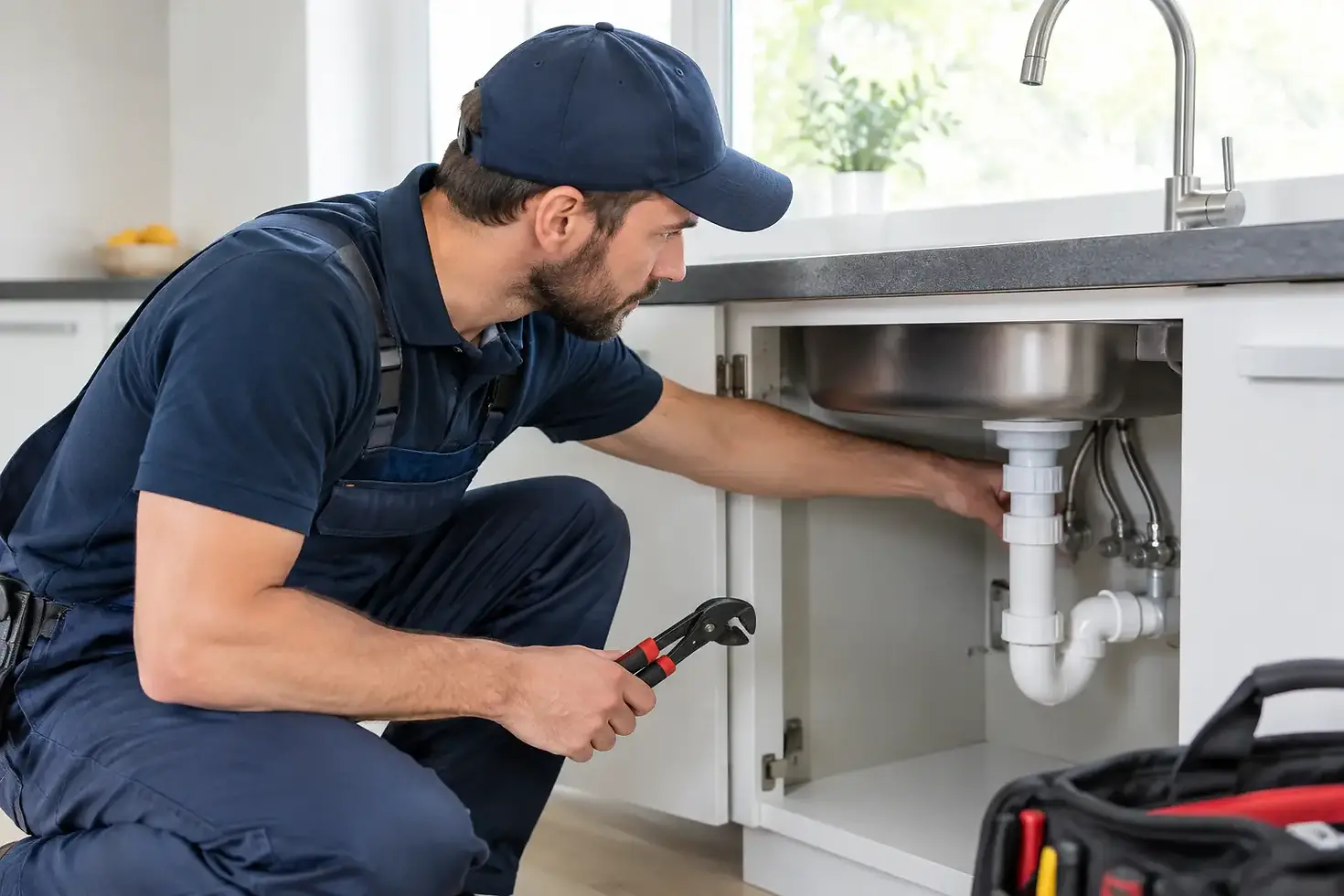
A plumber is normally the first person to call when the cause is likely to be within your home or commercial premises. They can trace pipework, inspect valves, test flow at different outlets and repair the problem without guesswork.
Common plumbing causes include a partially closed internal stopcock, clogged tap aerators, scaled-up shower heads, damaged flexible hoses and failing isolation valves. In older properties, corroded or undersized pipework can also restrict flow. A plumber can identify whether cleaning or replacing a fitting is enough, or whether the issue needs a more substantial repair.
A leak is another important possibility. Not every leak leaves a puddle under the sink. Water can escape beneath floors, behind walls or outside along the supply pipe, reducing performance at taps while causing gradual damage elsewhere. Signs can include unexplained damp patches, a water meter that continues moving when all water is off, mould growth or a higher-than-usual bill.
Do not ignore low pressure combined with discoloured water, banging pipes or water coming through a ceiling. Turn off the internal stopcock if it is safe to do so, avoid using electrical fittings near water, and arrange urgent professional help. A rapid response limits the risk of damage to flooring, finishes and neighbouring properties.
Simple checks before arranging a visit
There are a few safe observations that can help narrow down the cause. Check whether the issue is at one outlet or every tap, and ask neighbours if their supply is affected too. If you have recently had plumbing work completed, ensure the internal stopcock has not been left partly closed.
You can also remove and rinse a tap aerator or shower head if you are confident doing so and the fitting is accessible. Limescale and debris often collect in these small filters. If the pressure remains poor after cleaning, or you cannot safely remove the fitting, leave further work to a plumber.
Avoid adjusting sealed boiler components, cutting into pipework or fitting a pump as a quick fix. A pump may not be suitable for every system and can create further problems if the underlying restriction or leak has not been resolved.
When your water supplier may be responsible
Your water supplier is responsible for the public water main and, in many cases, the section of supply pipe up to the property boundary. Exact responsibility can vary, especially in shared buildings, converted houses and blocks of flats, so it is worth checking your provider's guidance.
Contact the water supplier first if low pressure affects the whole property, neighbours report the same issue, or you have received notice of planned works. Network repairs, a burst main, high local demand or maintenance activity can temporarily affect supply.
It is still sensible to rule out a simple internal cause. If your neighbours have normal pressure but yours is poor, the issue is much more likely to be inside your boundary. A plumber can assess the incoming supply and advise where responsibility is likely to lie. This is useful evidence if you need to raise the issue with the supplier.
Properties with a long private supply pipe are a common exception. The public main may be working correctly, but an older lead, iron or narrow pipe serving the property can restrict water flow. Replacement can be a larger job, yet it may provide a lasting improvement rather than repeated repairs to symptoms.
Low hot-water pressure: call a heating engineer
When cold taps have good flow but hot taps do not, the fault is unlikely to be the incoming mains. It may be within the boiler or hot-water arrangement instead.
For a combi boiler, restricted hot-water flow can result from a blocked inlet filter, a scaled plate heat exchanger, a faulty diverter valve or a problem with the boiler controls. In homes with a cylinder, the cause may involve a faulty motorised valve, a restricted pipe, a tank-fed system or a balance issue between hot and cold supplies. These faults should be assessed by a qualified heating engineer, especially where gas appliances are involved.
Low pressure on a boiler gauge is a separate issue from weak water at taps. A sealed central-heating system usually needs pressure within the manufacturer’s recommended range when cold. If the gauge repeatedly falls, there may be a leak, a faulty pressure relief valve or an expansion vessel problem. Repressurising may restore heating temporarily, but repeated pressure loss needs investigation rather than continual topping up.
Gas Safe registered engineers are the right people for boiler diagnostics, repairs and safety-critical gas work. At PlumbTech365, engineers can assess both plumbing and heating-related causes, so customers do not have to coordinate separate trades where the fault is unclear.
Could a booster pump solve the problem?
A booster pump can improve performance in some properties, particularly where water is supplied from a storage tank or where upper floors receive poor flow. It is not automatically the best answer for low mains pressure.
Before recommending a pump, an engineer should confirm the incoming flow rate, inspect the pipework and establish whether there is a blockage, leak or unsuitable pipe size. Installing a pump to mask a restriction can increase strain on an already failing system. There are also water regulations governing pumps connected to mains-fed supplies, which is why the work should be designed and fitted correctly.
In some cases, replacing a heavily scaled shower valve, renewing a restricted supply pipe or upgrading pipework provides a better long-term result. The right repair depends on the building, the water system and whether the problem affects one bathroom, the entire home or several flats in a managed property.
What to tell the engineer
A clear description helps speed up diagnosis. Explain when the pressure changed, whether it affects hot water, cold water or both, and whether the issue is constant or worse at busy times of day. Mention recent building work, boiler repairs, frozen pipes, leaks and any changes in water bills.
For landlords and agents, it is helpful to ask tenants for a short video showing the affected taps and to confirm whether neighbouring homes are experiencing the same issue. This can help prioritise a likely supply fault or an internal repair, while keeping tenants informed about what will happen next.
Low water pressure is frustrating, but it is rarely something you need to live with. A proper diagnosis identifies whether the answer is a simple fitting repair, a plumbing investigation, a heating repair or a conversation with the water supplier - and gives you a sensible route back to reliable water flow.


Comments